
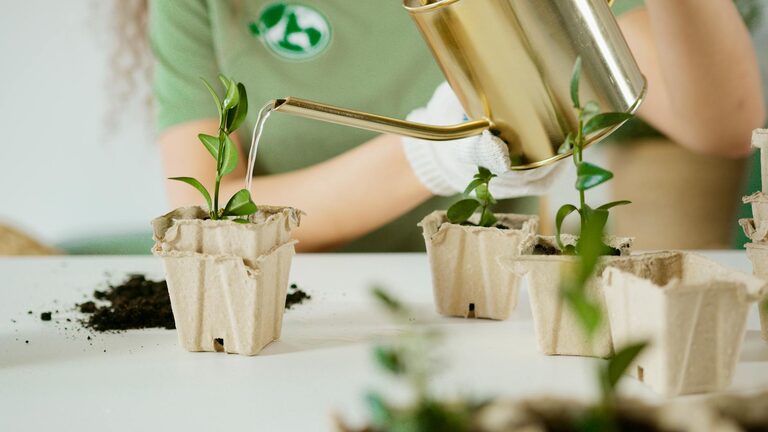
Creating a sustainable and eco-friendly home garden is a rewarding way to connect with nature while reducing your environmental impact. Whether you have a spacious backyard or a small balcony, there are many simple practices you can adopt to cultivate a garden that benefits both you and the planet. In this guide, we explore practical tips to help you design a garden that is beautiful, resource-efficient, and wildlife-friendly.
Choosing the Right Plants
Selecting plants that are suited to your local climate and soil conditions is the first step towards a sustainable garden.
– Native Species: Native plants are adapted to local weather and soil, requiring less water and fertiliser. They also provide essential habitats for native pollinators and birds.
– Drought-Tolerant Plants: If you live in a dry area, opt for drought-resistant species that can thrive on minimal watering.
– Edible Plants: Growing your own vegetables, herbs, and fruit reduces the carbon footprint linked to store-bought produce and promotes healthy eating.
Preparing the Soil Naturally
Healthy soil is the foundation of a sustainable garden. Avoid chemical fertilisers and instead focus on natural methods.
– Composting: Use kitchen scraps, garden waste, and leaves to create nutrient-rich compost. Compost improves soil structure and fertility.
– Mulching: Apply organic mulch such as bark chips or straw around plants. Mulch conserves moisture, suppresses weeds, and gradually enriches the soil.
– Crop Rotation: Rotate plant families in your vegetable beds each year to prevent soil nutrient depletion and reduce pests.
Efficient Water Management
Water conservation protects this precious resource while keeping your garden thriving.
– Rainwater Harvesting: Collect rainwater in barrels to water your garden during dry spells. This reduces demand on mains water.
– Drip Irrigation: Install drip or soaker hoses to deliver water directly to plant roots, reducing evaporation and runoff.
– Watering Timing: Water early in the morning or late in the evening to minimise evaporation losses.
– Greywater Recycling: Where permitted, reuse lightly used household water for irrigation.
Promoting Biodiversity
An eco-friendly garden supports a balanced ecosystem and encourages wildlife to visit and stay.
– Avoid Pesticides: Use natural pest control like companion planting, handpicking pests, or insecticidal soaps to protect beneficial insects.
– Plant Variety: Include a mix of flowers, shrubs, and trees to provide different food and shelter options for wildlife.
– Wildlife Features: Add bird feeders, bat boxes, and insect hotels to encourage biodiversity.
– Leave Dead Wood: Dead branches and logs serve as habitats for insects and fungi, contributing to ecosystem health.
Sustainable Materials and Practices
Using eco-conscious materials reduces waste and pollution.
– Materials: Choose recycled, reclaimed, or sustainably sourced garden furniture and structures.
– Tools: Maintain your gardening tools properly to extend their life and avoid waste.
– Waste Reduction: Minimise single-use plastics by opting for biodegradable pots or durable containers.
– Green Energy: Consider powering garden lighting or water pumps with solar energy.
Managing Garden Waste Responsibly
Proper waste management completes the cycle of sustainability.
– Compost Organic Waste: Compost leaves, grass clippings, and vegetable scraps rather than sending them to landfill.
– Reuse Plant Material: Use pruned branches as mulch or in garden projects.
– Avoid Burning: Burning garden waste releases pollutants and contributes to air pollution; composting is a healthier alternative.
Seasonal Maintenance Tips
Regular, eco-friendly upkeep keeps your garden productive all year round.
– Plant at the Right Time: Plant native and seasonal crops to reduce extra resource demands.
– Prune Thoughtfully: Only prune when necessary to maintain plant health.
– Monitor Soil Health: Test soil every few years to adjust organic amendments accordingly.
– Plan for Wildlife Winter Shelter: Leave some plants and ground cover intact to provide shelter during cold months.
—
By following these tips, you create a home garden that is not only beautiful and useful but also kind to the environment. Sustainable gardening supports biodiversity, conserves water and soil, and reduces waste, all while providing fresh produce and a peaceful space to enjoy nature. Start small, be patient, and watch your eco-friendly garden flourish over time.