
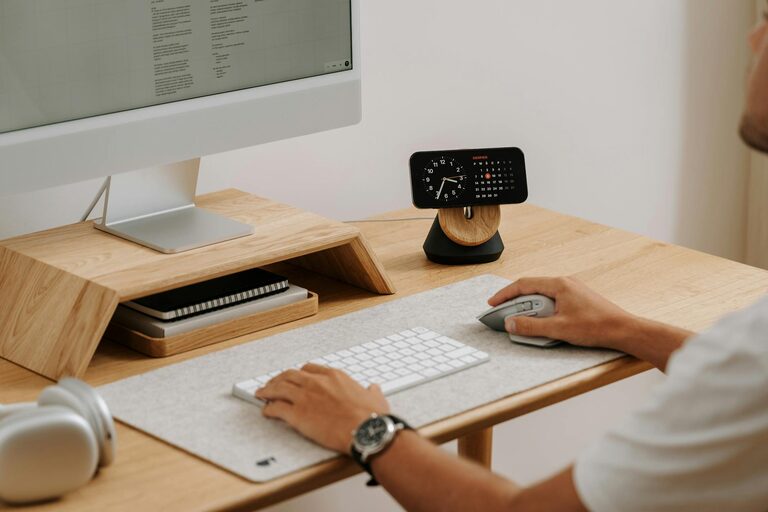
Working from home has become increasingly common, making it essential to create an effective and comfortable home office. A well-planned workspace can boost productivity, reduce stress, and improve your overall work-life balance. Whether you have a dedicated room or just a small corner, these tips will help you design a home office that inspires focus and efficiency.
Choose the Right Location
Selecting the proper spot for your office is the first step in creating a productive environment.
– Quiet and Low Traffic: Pick a place away from noisy areas like the kitchen or living room to minimise distractions.
– Natural Light: Position your desk near a window if possible. Natural light reduces eye strain and can elevate your mood.
– Space to Move: Ensure there’s enough room for your chair to move comfortably and for essential equipment.
Invest in Comfortable and Functional Furniture
Your furniture choices greatly affect how productive and comfortable you will be.
Ergonomic Chair
An ergonomic chair supports your posture during long working hours. Look for adjustable height, lumbar support, and comfortable padding.
Desk Options
Choose a desk that fits your room size and needs. Standing desks or adjustable desks are great options for varying your posture throughout the day.
Storage Solutions
Incorporate shelves, filing cabinets, or desk organisers to keep your workspace tidy and efficient.
Organise Your Workspace
Clutter can lead to distraction. Here are ways to maintain an organised environment:
– Minimalism: Only keep items you need daily on your desk.
– Cable Management: Use clips or ties to prevent tangled wires.
– Daily Reset: Spend a few minutes at the end of each day clearing your desk.
Optimise Lighting
Proper lighting is crucial to prevent fatigue and improve focus.
– Layered Lighting: Combine natural light with task lighting such as desk lamps.
– Avoid Glare: Position screens perpendicular to windows to reduce reflections.
– Warm vs Cool Light: Use cooler light bulbs for work areas to keep you alert.
Personalise but Keep it Professional
Add personal touches that motivate you, but avoid distractions.
– Plants: Indoor plants improve air quality and provide a calming effect.
– Artwork: Hang inspiring but simple artwork or photos.
– Colours: Choose soothing colours that promote concentration, such as blues or greens.
Incorporate Technology Wisely
Technology should serve your productivity, not hinder it.
– Reliable Equipment: Invest in a good computer, headset, and high-speed internet.
– Organised Files: Keep digital and physical files organised for quick access.
– Backup Systems: Regularly back up your work to avoid data loss.
Stick to a Routine
A productive space is only helpful if paired with good habits.
– Set Work Hours: Keep consistent start and finish times.
– Breaks: Take regular breaks away from your screen to refresh.
– Separate Work and Leisure: Avoid using your workspace for relaxing or entertainment.
Enhance Comfort with Temperature and Air Quality
Comfort affects concentration and stamina.
– Ventilation: Ensure good airflow to keep the room fresh.
– Temperature Control: Use fans, heaters, or heaters to maintain a comfortable temperature.
– Air Purifier: Consider an air purifier if your space has poor air quality.
Minimise Noise Distractions
If noise is unavoidable, consider these solutions:
– Noise-Cancelling Headphones: Helpful for blocking out unwanted sounds.
– Soft Furnishings: Rugs, cushions, and curtains can absorb sound.
– White Noise: A white noise machine or app can create a consistent sound environment.
Final Thoughts
Creating a productive home office is about combining functionality, comfort, and personal style. Focus on ergonomic furniture, organisation, and lighting while keeping distractions to a minimum. By designing a space that suits your work habits, you’ll pave the way for increased focus, efficiency, and job satisfaction, all from the comfort of your home.